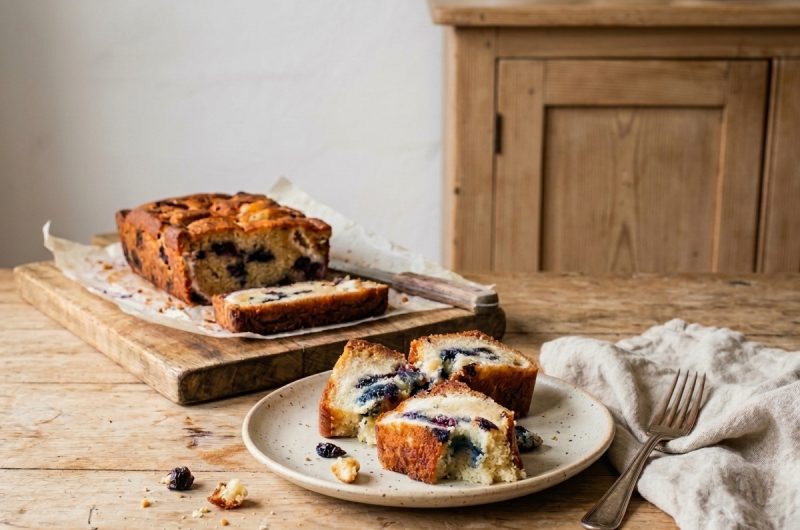
Blueberry Cream Cheese Muffin Top Bread is a soft, moist, and generously filled quick bread that brings together the best parts of a blueberry muffin and a tender cream cheese loaf. Instead of a light, airy muffin, this recipe creates a richer and denser bake with a wonderfully soft crumb, juicy blueberries, and a creamy layer running through the center.
The result is an easy blueberry bread that feels like a bakery-style treat but can be prepared at home with simple ingredients.
This Blueberry Bread
This blueberry cream cheese bread stands out because of its texture. It is tender enough to fall apart easily when sliced, yet it has enough structure to hold the generous amount of blueberries and cream cheese filling. The combination of melted butter, buttermilk, oil, eggs, and sugar keeps the loaf moist, while the brown sugar adds extra depth and a subtle caramel-like flavor. Every bite has a combination of sweet berries, creamy filling, and buttery quick bread.
A Muffin Top in Loaf Form
If you love the soft center and flavorful edges of blueberry muffin tops, this recipe offers that experience in a larger loaf. The bread has a dense, cake-like quality rather than the firm texture associated with traditional yeast bread. Its springy crumb and moist interior make it especially enjoyable when served in thick slices. The blueberries also add little pockets of fruity flavor throughout the loaf, making each slice colorful, sweet, and satisfying.
The Cream Cheese Layer
The cream cheese filling is one of the most important parts of this recipe. Softened cream cheese is combined with granulated sugar until smooth and creamy, then layered between portions of blueberry batter. As the bread bakes, the cream cheese becomes soft and rich while retaining a pleasant tang that balances the sweetness of the loaf. Using properly softened cream cheese makes this step much easier and helps create a smoother filling without unnecessary lumps.
Choosing the Right Blueberries
Both fresh and frozen blueberries work well in this blueberry loaf recipe. Fresh blueberries are excellent when they are plentiful and ripe, while frozen blueberries make it possible to prepare the bread throughout the year. If you use frozen berries, keep them frozen or very cold instead of thawing them first. Cold berries generally hold their shape better during mixing and baking, and they are less likely to release excessive juice into the batter.
Why the Blueberries Are Tossed With Flour
Coating the blueberries with a small amount of all-purpose flour is a simple step that can make a noticeable difference. The flour helps the berries stay more evenly distributed throughout the batter rather than quickly settling toward the bottom of the loaf. This is particularly helpful when working with a moist, rich batter. Toss the berries gently so they remain intact, especially if you are using delicate fresh blueberries.
The Role of Buttermilk
Buttermilk contributes both moisture and a mild tang to this homemade blueberry bread. It also works with the baking soda and baking powder to support the rise of the batter. Because this loaf contains several rich ingredients, the slight acidity of buttermilk helps keep the overall flavor balanced. It also contributes to the soft texture that makes this bread feel more like a moist muffin or tender cake than a traditional loaf.
Butter and Oil for a Moist Texture
Using both melted butter and neutral oil gives this blueberry cream cheese loaf its particularly moist texture. Butter contributes richness and familiar buttery flavor, while oil helps maintain softness. Canola or vegetable oil works well because its flavor is mild enough to let the blueberries, vanilla, brown sugar, and cream cheese remain the focus. Together, these ingredients help produce a loaf that stays pleasantly tender even after it has cooled.
Preparing the Batter
The batter comes together without a mixer, which makes this an approachable quick bread recipe. Start by melting the butter, then combine it with buttermilk, oil, eggs, granulated sugar, brown sugar, and vanilla. Whisk everything until the mixture is well blended. The dry ingredients are then incorporated into the wet mixture. The most important point is to avoid excessive mixing once the flour has been added, because overmixing can make the finished loaf heavier and less tender.
Layering the Blueberry Bread
The layering process gives this recipe its signature cream cheese center. Begin by placing a portion of the blueberry batter into the prepared loaf pans. Add the sweetened cream cheese mixture over the first layer, spreading it gently so it stays mostly in the center. Finish with the remaining blueberry batter. This creates a creamy middle that becomes beautifully soft as it bakes and provides a contrast to the fruity bread surrounding it.
Preparing the Loaf Pans
This recipe is designed to produce two loaves using different pan sizes, with one 9-by-5-inch pan and one 8-by-4-inch pan. Preparing the pans properly helps the loaves release more easily after baking. Floured cooking spray is recommended for the pans. Because the amount of batter is substantial, it is important not to substitute two smaller 8-by-4-inch pans, as they may not provide enough capacity for all of the batter.
Baking the Loaves
Bake the prepared loaves in a preheated 350°F oven. The exact baking time depends on the size and shape of the pans, so it is better to judge the bread by its appearance and doneness rather than relying on one exact number. The tops should be set and golden, while the centers should be sufficiently baked. A toothpick can sometimes encounter the cream cheese layer, so it may not always come out completely clean even when the bread is ready.
How to Prevent Over-Browning
Because this is a moist and relatively dense loaf, the center can sometimes need additional baking time after the top has already developed a deep golden color. If you notice the tops browning too quickly, loosely cover the loaves with foil during the final portion of baking. This allows the centers to continue cooking without allowing the surface to become excessively dark. Checking the loaves according to your specific pan size is especially important.
Cooling the Bread Properly
Allow the baked blueberry cream cheese loaves to cool in their pans for at least 15 minutes before transferring them to a wire rack. This short resting period allows the structure to settle and makes the loaves easier to remove. Afterward, place them on the rack and let them cool completely. Cutting the bread too early can make the soft cream cheese layer and moist crumb seem less stable, so patience helps produce cleaner slices.
Fresh or Frozen Blueberries?
Fresh blueberries provide a bright appearance and a juicy burst of flavor, but frozen blueberries are an excellent alternative. There is no need to reserve this recipe for blueberry season. Frozen berries can be kept in the freezer and added directly to the batter. Keeping them cold helps minimize bleeding and prevents the berries from becoming overly soft during preparation. This flexibility makes the recipe convenient for both everyday baking and planned occasions.
Adjusting the Oil
The recipe allows a range of oil quantities depending on your preferred texture. Using the larger amount produces an especially moist loaf, while reducing the oil can create a slightly drier texture. Since the bread naturally contains cream cheese, butter, buttermilk, and eggs, there is already plenty of richness in the batter. Choose the amount that best suits how you plan to serve and store the bread.
Flavor Variations
The original recipe includes optional lemon zest for those who want a lemon-flavored blueberry bread. Lemon and blueberry are a natural combination, and a small amount of zest can add a bright citrus note without changing the basic character of the loaf. If you prefer the classic combination of berries, vanilla, butter, and cream cheese, simply leave the optional lemon zest out. Both versions work beautifully for breakfast, brunch, snacks, or dessert.
Serving Ideas
This homemade blueberry bread is delicious on its own once completely cooled. Cut it into thick slices and serve it with coffee or tea for breakfast, or place it on a brunch table alongside other baked goods. Because the bread is sweet and rich, it can also work as a simple dessert. For a special presentation, serve individual slices on a small plate with additional fresh blueberries, although the loaf is flavorful enough without any extra toppings.
When to Serve Blueberry Cream Cheese Bread
This is an especially useful recipe when you want something that can serve several people without making individual muffins. A loaf can be sliced into portions and arranged on a serving platter for breakfast gatherings, brunches, family celebrations, or casual afternoon snacks. It also works well as a make-ahead baked treat because the finished bread can be stored or frozen, allowing you to prepare it before you need it.
Storage and Freezing
Proper storage helps maintain the bread’s soft texture. Once cooled, wrap the loaf securely in plastic wrap and place it inside a large zip-top plastic bag. It can be kept at room temperature for up to one week according to the original storage instructions. If you do not expect to finish both loaves within that time, freezing one after it has cooled is a practical option. Frozen bread can be kept for up to three months.
Notes for the Best Results
For the smoothest cream cheese filling, allow the cream cheese to become thoroughly soft before mixing it with sugar. If it remains firm, a very short microwave warming period can help soften it. Avoid overheating because the goal is softened cream cheese rather than melted cream cheese. When mixing the main batter, stop as soon as the dry ingredients are incorporated. Gentle handling of the blueberries also helps keep them intact and evenly distributed.
Pan Size Matters
The baking time can change significantly depending on the pan you choose. The original preparation uses one 9-by-5-inch loaf pan and one 8-by-4-inch loaf pan, with slightly more batter going into the larger pan. Other suitable options can include two 9-by-5-inch pans, a large Bundt or tube pan, a 9-inch springform pan, or muffin pans. Smaller portions can bake much faster, so always watch the appearance of the finished product.
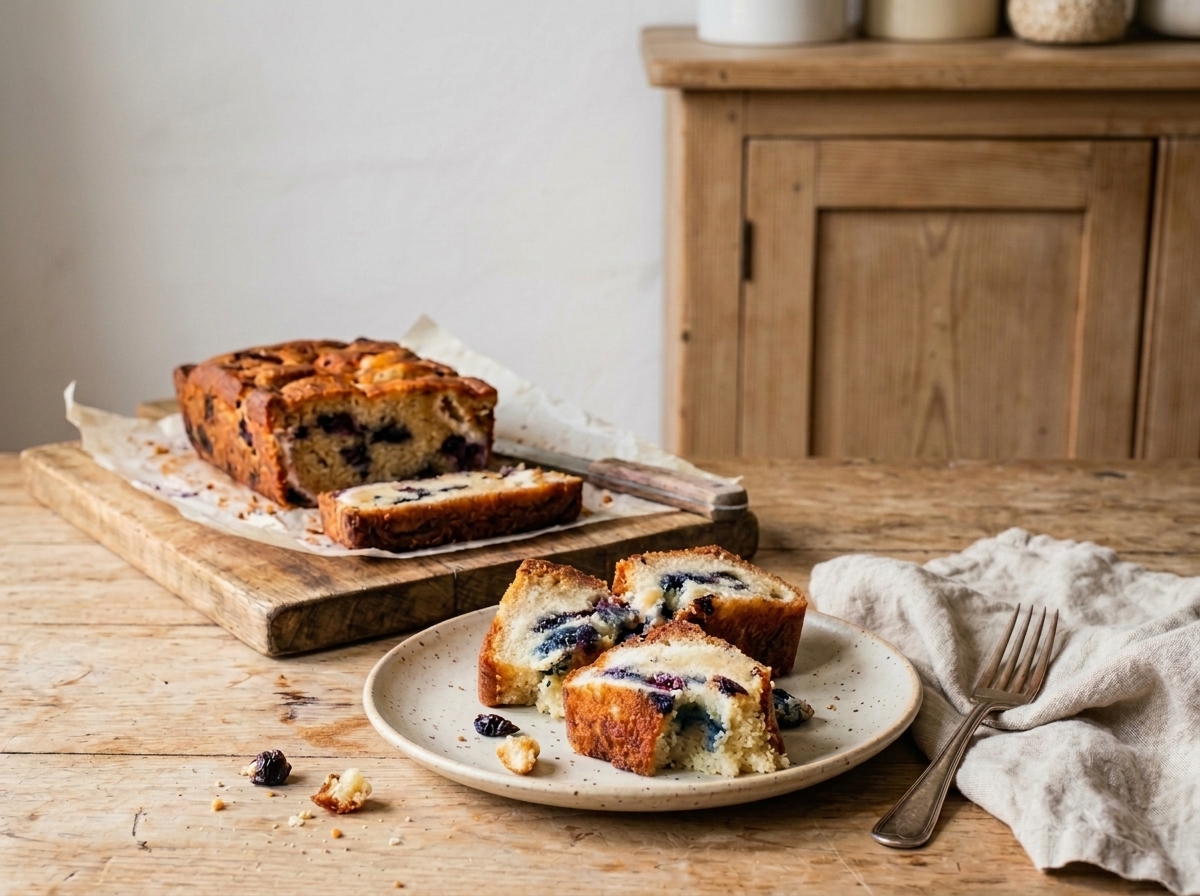
Blueberry And Cream Cheese Loaf Dessert
A soft and moist blueberry cream cheese loaf with a sweet cream cheese center, juicy blueberries, and a tender muffin-top-style crumb.
20
servings15
minutes55
minutes288
kcal1
hour10
minutesIngredients
8 ounces cream cheese, well softened (whipped or light are okay)
½ cup granulated sugar
2 cups blueberries, fresh or frozen
1 tablespoon all-purpose flour
½ cup unsalted butter, melted
¾ cup buttermilk
¼ cup to ½ cup canola or vegetable oil
2 large eggs
1 ½ cups granulated sugar
¼ cup light brown sugar, packed
1 tablespoon vanilla extract
2 cups all-purpose flour
1 ½ teaspoons baking soda
1 teaspoon baking powder
Pinch salt, optional
1 ½ teaspoons lemon zest, optional
Directions
- Preheat the oven to 350°F. Prepare the loaf pans with floured cooking spray. Use one 9-by-5-inch loaf pan and one 8-by-4-inch loaf pan, or another suitable pan combination that provides enough capacity for the batter.
- Place the softened cream cheese and ½ cup granulated sugar in a medium bowl. Whisk vigorously until the mixture becomes smooth and well combined. Set the cream cheese mixture aside.
- Add the blueberries and 1 tablespoon all-purpose flour to another medium bowl. Toss gently until the berries are lightly coated. Keep frozen blueberries frozen or very cold if using them.
- Melt the unsalted butter in a large microwave-safe bowl for about 1 minute. Add the buttermilk, canola or vegetable oil, eggs, 1 ½ cups granulated sugar, brown sugar, and vanilla extract. Whisk until thoroughly combined.
- Add 2 cups all-purpose flour, baking soda, baking powder, and optional salt to the wet mixture. Stir just until incorporated. Do not overmix the batter.
- Gently fold the flour-coated blueberries into the batter, taking care not to crush the berries.
- Divide approximately one-quarter of the batter between the prepared pans, giving the larger pan slightly more. The first layer should reach about one-third of the way up the sides.
- Divide the cream cheese mixture between the pans, again giving the larger pan slightly more. Gently smooth the cream cheese layer with a spatula.
- Add the remaining blueberry batter over the cream cheese layer and smooth the tops lightly.
- Bake for approximately 45 to 65 minutes, depending on the pan sizes. The tops should be set and golden brown. A toothpick may not come out completely clean if it passes through the cream cheese filling.
- If the tops are browning too quickly while the centers still need more time, loosely tent the loaves with foil during the final 15 minutes of baking.
- Let the loaves cool in their pans for at least 15 minutes. Transfer them to a wire rack and allow them to cool completely before slicing.
Notes
- Fresh or frozen blueberries can be used. Frozen berries should remain frozen or very cold rather than being thawed first.
- Softer cream cheese is easier to combine with the sugar and produces a smoother filling.
- Do not overmix the batter after adding the flour, as excessive mixing can affect the tender texture.
- Baking time varies considerably according to pan size. Smaller muffins or mini loaves can finish much sooner.
- The optional lemon zest adds a bright citrus flavor that pairs well with blueberries.
- Store cooled bread wrapped in plastic wrap and placed inside a large zip-top bag for up to 1 week at room temperature.
- Freeze the cooled bread for up to 3 months if it will not be eaten within a week.
Nutrition Facts
- Calories: 288kcal
- Fat: 15g
- Carbohydrates: 37g
- Fiber: 1g
- Sugar: 25g
- Protein: 3g