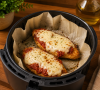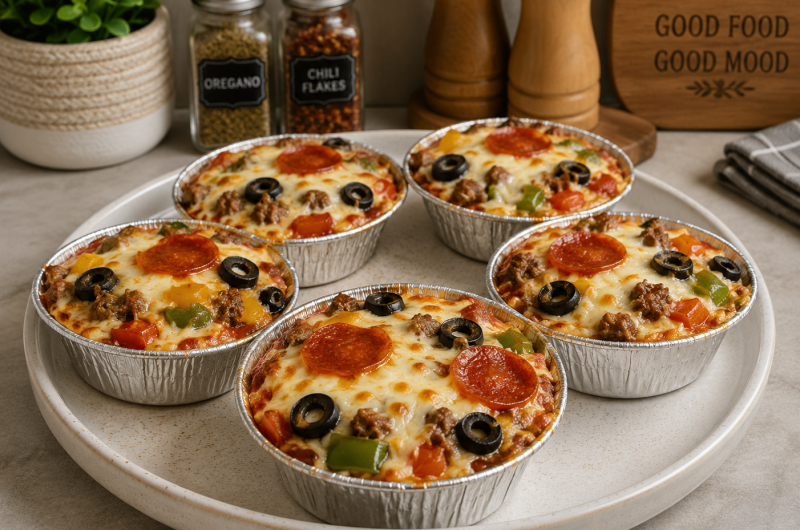
This easy crustless pizza bowl delivers the familiar flavor of pizza without using traditional pizza dough. Marinara sauce, cooked Italian sausage, favorite pizza toppings, and melted mozzarella are layered inside individual oven-safe bowls and baked until hot, bubbly, and golden. The entire meal takes approximately 30 minutes, making it a practical option for a quick lunch, weeknight dinner, or relaxed pizza night.
Removing the crust makes these individual pizza bowls lower in carbohydrates than many standard pizzas. They are also easier to assemble because there is no dough to knead, rise, roll, or pre-bake. Every serving is prepared in its own ramekin, allowing each person to enjoy a warm and cheesy pizza-inspired meal directly from the oven.
The recipe is naturally flexible because the two cups of favorite pizza toppings can be selected according to personal preference. Sausage, green peppers, onions, mushrooms, olives, pepperoni, chicken, or other familiar toppings can be used. Any topping that contains raw meat or excessive moisture should be cooked before it is layered into the bowls.
These Crustless Pizza Bowls
A pizza bowl is a convenient solution when you want pizza flavor without preparing a full crust. It keeps the most recognizable components—tomato sauce, savory toppings, and melted cheese—while presenting them as a simple baked casserole in an individual serving dish. The result is comforting and familiar but faster to prepare than many homemade pizza recipes.
The recipe requires only four basic ingredient groups and follows an uncomplicated layering method. Once the sausage and selected vegetables have been cooked, each bowl receives sauce, toppings, and mozzarella. The layers are repeated before baking, ensuring that cheese, sauce, and toppings are distributed throughout instead of appearing only on the surface.
Individual portions also make customization easier. One bowl can contain sausage and peppers, another can feature mushrooms and olives, and another can use a different combination. Keep the total quantity of toppings consistent with the recipe while dividing them according to each person’s preference.
Pizza Flavor Without a Traditional Crust
A conventional pizza crust provides structure but also requires flour, yeast, mixing, resting, shaping, and additional baking time. This crustless pizza bowl avoids those steps while preserving the sauce, cheese, and topping combination associated with pizza. It is therefore useful when you want a quicker meal or prefer to reduce the amount of bread in your serving.
Although these bowls are commonly described as low-carb or keto-friendly, the exact carbohydrate content depends heavily on the marinara sauce and toppings selected. The supplied nutrition lists 26.2 grams of carbohydrates per serving, so anyone following a strict carbohydrate target should check product labels and calculate the recipe using the exact ingredients chosen.
The absence of pizza dough also removes wheat flour from the basic structure. However, the finished meal should only be described as gluten-free when the sauce, sausage, cheese, toppings, and cooking spray have all been checked for gluten-containing ingredients and cross-contact warnings.
Choosing the Pizza or Marinara Sauce
The sauce creates the base flavor of a pizza bowl, so choose one with a taste and consistency you enjoy. The recipe uses two cups of pizza sauce or marinara sauce, divided among four servings and two layers in each bowl.
A thicker sauce is especially useful because it stays within the layers and prevents the finished bowls from becoming watery. Thin pasta sauce can collect at the bottom, while a thick pizza sauce clings more effectively to the meat, vegetables, and cheese.
Store-bought sauce keeps preparation quick, but its sugar, sodium, and carbohydrate content can vary considerably. If nutritional values matter for your meal plan, review the label before choosing a product. Keep the stated quantity unchanged so the bowls have enough moisture and tomato flavor without becoming soupy.
Preparing the Italian Sausage
The recipe uses one to two sweet Italian sausages with their casings removed. The meat must be cooked before the bowls are assembled because the short oven-baking time is intended to heat the layers and melt the cheese rather than safely cook raw sausage from beginning to end.
Place the sausage meat in a skillet over medium-high heat. Break it into small pieces and cook until browned and fully cooked. Smaller crumbles distribute more evenly between the four bowls and make each serving easier to eat with a spoon or fork.
If selected toppings include vegetables, add them when the sausage is nearly cooked. Sautéing the vegetables with the meat allows their moisture to evaporate and gives them more flavor. Set the cooked mixture aside while preparing the ramekins and remaining ingredients.
Choosing Pizza Toppings
The recipe provides two cups of favorite pizza toppings, allowing the bowls to be adjusted without changing the overall quantity. Green bell peppers and onions work well with sweet Italian sausage, while mushrooms, olives, pepperoni, cooked chicken, or other pizza ingredients can create different combinations.
Vegetables with a high water content should be cooked before layering. Raw mushrooms, onions, peppers, and similar vegetables may release liquid during baking, making the sauce watery and preventing the cheese from browning properly. A few minutes in the skillet helps remove moisture and improves their texture.
Meat toppings should also be fully cooked before assembly unless they are sold as ready-to-eat products. This is especially important for ground beef, fresh sausage, chicken, or turkey sausage. Properly prepared toppings ensure that the brief baking time can focus on heating and browning the assembled bowls.
Why Mozzarella Is the Best Cheese
Two cups of mozzarella cheese create the rich, melted topping expected from pizza. Mozzarella melts smoothly, stretches well, and has a mild flavor that allows the sauce and toppings to remain noticeable.
Divide the cheese evenly so that every bowl receives enough for both layers. Adding cheese in the middle and on the top creates a creamy interior and an attractive golden surface. If all the cheese is placed only on top, the lower portion may taste more like plain sauce and meat.
The upper cheese layer should begin bubbling and turn slightly golden during baking. An optional short broiling period can deepen the color, but the bowls must be watched continuously because cheese can move from golden to burned very quickly under direct heat.
Selecting Oven-Safe Bowls
Use four medium oven-safe bowls or ramekins that can tolerate a 400°F oven. Ordinary serving bowls should not be used unless they are clearly marked as oven-safe. Sudden high heat can crack or break unsuitable ceramic or glass dishes.
The bowls should be large enough to hold two complete sets of layers without overflowing. Leave a little empty space near the top so bubbling sauce and cheese remain inside during baking.
Lightly coat the interior of each bowl with cooking spray. This reduces sticking and makes cleanup easier. Set the prepared bowls on a baking sheet before adding the ingredients, allowing all four portions to be moved into and out of the oven safely.
Layering the Pizza Bowls Correctly
Begin with approximately two tablespoons of sauce in each prepared bowl. Add a similar amount of the cooked topping mixture, followed by mozzarella cheese. Repeat the sequence with another layer of sauce, toppings, and cheese.
Creating two complete sets of layers distributes the ingredients more evenly than filling the bowl with all the sauce, followed by all the meat and then all the cheese. Each spoonful should contain tomato sauce, savory toppings, and melted mozzarella.
The final layer should be mozzarella because it creates the bubbly, golden surface. Check that the bowls are filled evenly before baking so that all four servings cook and heat at approximately the same speed.
Baking the Crustless Pizza Bowls
Place the filled bowls on a baking sheet and transfer them to an oven preheated to 400°F. Bake for approximately 15 to 20 minutes, until the sauce is hot and the mozzarella is bubbling and lightly golden.
Because the meat and vegetables are already cooked, the oven time mainly heats the ingredients and melts the cheese. Begin checking near the 15-minute mark, particularly when using shallow ramekins or an oven that runs hot.
Deeper bowls may need closer to 20 minutes for the centers to become fully heated. The cheese should be melted across the surface, and the sauce should bubble gently around the edges.
Broiling for a Golden Cheese Topping
For a more deeply browned surface, switch the oven to broil during the final one or two minutes. Keep the baking sheet close enough to the heat for the cheese to color, but do not leave the oven unattended.
Broilers work quickly, and the exact time depends on the oven and the distance between the bowls and the heating element. Check the cheese continuously and remove the bowls as soon as brown spots appear.
Broiling is optional because the mozzarella will already melt during regular baking. Use this finishing step only when you prefer a darker, slightly crisp cheese topping.
Cooling Before Serving
Let the pizza bowls cool for three to five minutes after removing them from the oven. The bowls, sauce, cheese, and filling will be extremely hot, and eating them immediately may cause burns.
The brief cooling period also allows the bubbling sauce to settle and the cheese to firm slightly. This makes the meal easier to eat and helps each spoonful hold together.
Place every hot ramekin on a heat-resistant plate or wooden board before serving. Remind diners that the bowl remains hot even after the surface of the food has cooled.
Making Pizza Bowls Ahead
Crustless pizza bowls can be assembled in advance, making them useful for busy evenings or meal planning. Cook the sausage and vegetables first and allow them to cool before layering the bowls.
Add the sauce, cooled toppings, and mozzarella in the normal order. Cover each assembled bowl and refrigerate it until you are ready to bake. Remove plastic wrap or other non-oven-safe covering before placing the bowls in the oven.
Cold bowls may need slightly more baking time than freshly assembled ones. Make sure the ramekins are safe for moving from refrigerator temperature into a hot oven, because some materials can crack when exposed to a sudden temperature change.
Storing Leftover Pizza Bowls
Cover leftover pizza bowls tightly and store them in the refrigerator. For the best flavor and texture, eat them within one or two days.
If the portions are transferred to another container, keep the sauce, toppings, and cheese together. An airtight container helps prevent the cheese from drying and keeps the tomato sauce from absorbing other refrigerator odors.
Refrigerate leftovers after they have cooled enough to store safely. Do not leave meat and cheese dishes at room temperature for an extended period.
Reheating Pizza Bowls
For the best reheated texture, place the oven-safe bowls in an oven heated to 400°F for approximately 10 to 12 minutes. Heat until the cheese begins bubbling again and the toppings are hot throughout.
The microwave provides a quicker option. Heat a portion for approximately two to three minutes on medium power, checking and stirring carefully if needed. Microwave times vary according to the appliance and depth of the bowl.
The oven generally gives the cheese a better surface, while the microwave softens it more. Whichever method is used, ensure the center is thoroughly heated before serving.
Serving Suggestions
A fresh salad makes a useful side dish because its crisp texture balances the warm sauce and melted cheese. A simple green salad, tomato salad, or cucumber salad can keep the meal light and colorful.
Extra cooked vegetables are another practical choice. Roasted broccoli, zucchini, cauliflower, or green beans can add volume and variety without competing with the pizza flavors.
Breadsticks or garlic bread may be served when reducing carbohydrates is not the main goal. Since the bowls already contain a rich combination of sausage, sauce, and cheese, a simple side is usually enough.
Important Notes for the Best Results
Cook raw meat completely before assembling the bowls. Sauté moisture-rich vegetables so they do not release excessive water during baking. Use a thick sauce and distribute every ingredient evenly among the four ramekins.
Place the ramekins on a baking sheet before filling them. This makes them easier to move and catches any sauce or cheese that bubbles over.
Use only oven-safe bowls, and allow them to cool for several minutes before serving. The containers remain dangerously hot even when the cheese no longer appears to be bubbling.
Why This Easy Pizza Bowl Recipe Works
This crustless pizza bowl recipe succeeds because it keeps the essential flavors of pizza while removing the most time-consuming component. There is no dough to prepare, yet the combination of tomato sauce, savory toppings, Italian sausage, and melted mozzarella still provides a familiar pizza-night experience.
The two-layer method keeps sauce, meat, vegetables, and cheese present throughout each serving. Pre-cooking the toppings prevents excess moisture and ensures that the short oven time is sufficient.
With ten minutes of preparation and approximately twenty minutes of cooking, these individual pizza bowls offer a quick, customizable meal that can be prepared on busy days without sacrificing warm, comforting flavor.
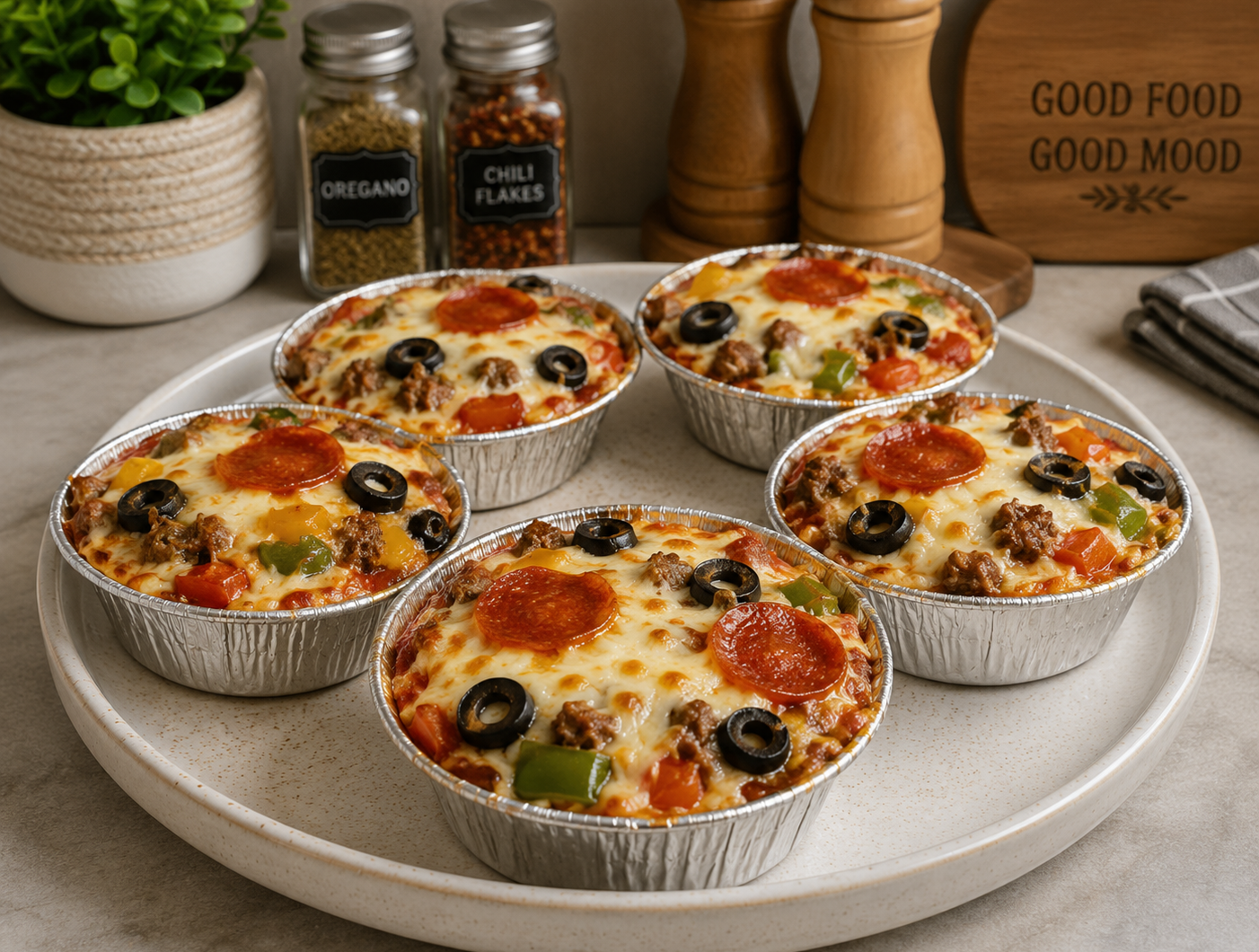
Keto Crustless Pizza Bowl
An easy crustless pizza bowl layered with marinara sauce, sweet Italian sausage, favorite pizza toppings, and mozzarella cheese.
4
servings10
minutes20
minutes455
kcal5
minutes35
minutesIngredients
2 cups pizza sauce or marinara sauce
1–2 sweet Italian sausages, casings removed
2 cups favorite pizza toppings
2 cups mozzarella cheese
Directions
- Preheat the oven to 400°F.
- Coat four oven-safe bowls with cooking spray.
- Brown the sausage in a skillet over medium-high heat.
- Add vegetable toppings and cook for a few minutes.
- Place the bowls on a baking sheet.
- Add sauce, toppings, and mozzarella to each bowl.
- Repeat the sauce, toppings, and cheese layers.
- Bake for 15–20 minutes until bubbly and golden.
- Broil for 1–2 minutes if deeper browning is desired.
- Cool for 3–5 minutes before serving.
Nutrition Facts
- Calories: 320kcal
- Fat: 24g
- Carbohydrates: 7g
- Protein: 20g