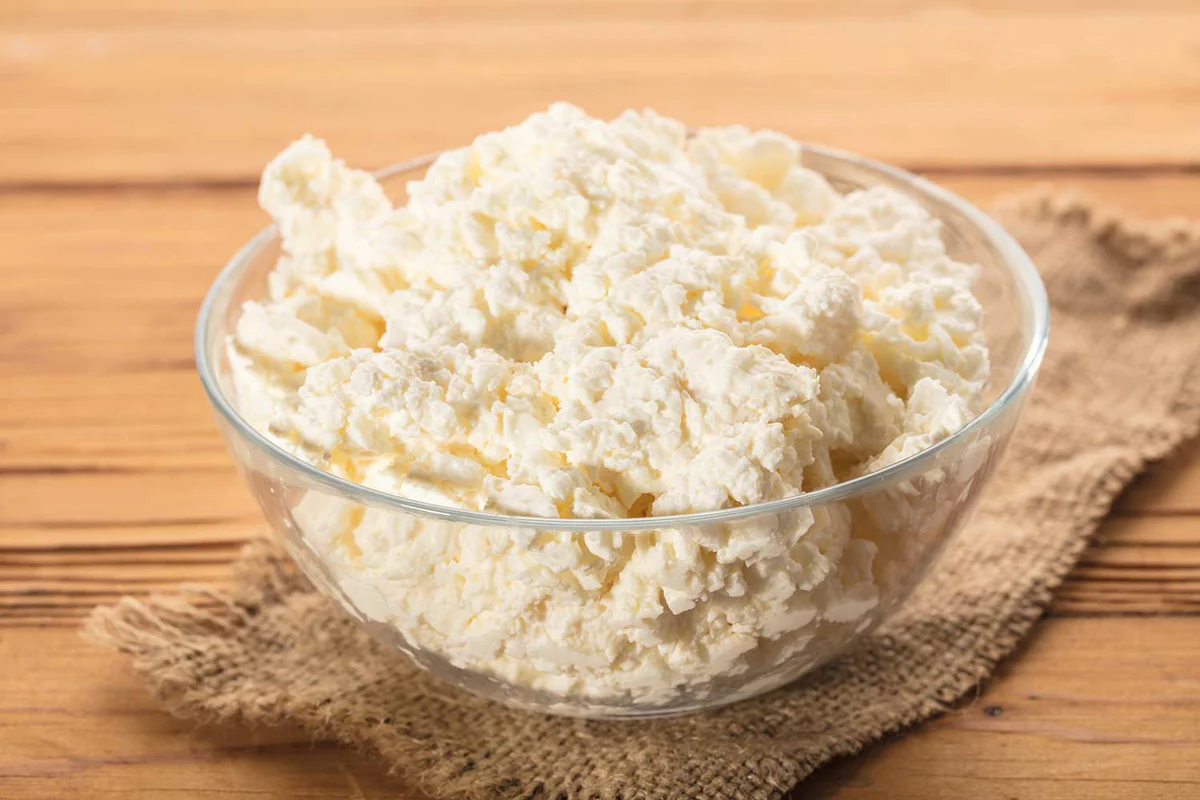
Homemade cottage cheese is a fresh, creamy cheese made by gently heating whole milk and adding white vinegar to separate the milk into curds and whey. The curds are drained, seasoned with salt, and optionally mixed with heavy cream or plain yoghurt. This easy cottage cheese recipe uses simple ingredients and does not require rennet, a starter culture, or specialized cheesemaking equipment.
Making cottage cheese at home gives you greater control over its freshness, texture, saltiness, and creaminess. Commercial cottage cheese may contain stabilizers, gums, preservatives, or thickeners to maintain a consistent texture and extend its storage life. This homemade version focuses on milk, vinegar, salt, and optional dairy additions, producing a simple fresh cheese with soft curds and a mild, pleasant flavor.
Although homemade cheesemaking can sound difficult, this quick acid-curdling method is suitable for beginners. The most important tasks are heating the milk to the correct temperature, adding the vinegar, allowing enough resting time, and draining the curds properly. A reliable kitchen thermometer makes the process easier because the milk should reach 180°F or approximately 82°C before the vinegar is added.
Why Homemade Cottage Cheese Is Worth Making
Fresh homemade cottage cheese has a different character from many packaged versions. Its curds can be soft, moist, and delicate rather than rubbery or overly firm. You can leave the curds unrinsed for a creamier and slightly tangier result or rinse them under cold water for a milder flavor and firmer texture.
The recipe also allows you to control the final creaminess. Heavy cream can be stirred into the drained curds for richness, while plain yoghurt can provide a tangier taste. Both ingredients are optional, so the basic curds can be seasoned with salt and enjoyed without further additions.
This flexibility makes homemade cottage cheese suitable for several uses. It can be served on toast, added to breakfast bowls, paired with fresh vegetables, incorporated into savory meals, or eaten by the spoonful. Its mild taste also works with both sweet and savory accompaniments.
How Milk Becomes Cottage Cheese
Milk contains proteins, fats, natural sugars, minerals, and water. When whole milk is heated and combined with an acid such as white vinegar, the acid changes the structure of the milk proteins. These proteins gather into solid curds while the remaining yellowish liquid becomes whey.
The separation should become visible soon after the vinegar is stirred into the hot milk. Small white curds begin forming and pull away from the liquid. The mixture is then left undisturbed so those curds can develop fully and become easier to collect.
This recipe uses a quick acid-curdling method. Traditional cottage cheese may be prepared with bacterial starter cultures and sometimes rennet, followed by cutting, cooking, washing, and dressing the curds. The faster method produces fresh cottage cheese without the longer fermentation process.
Choosing the Milk
The recipe uses one gallon of grass-fed whole milk. Whole milk provides enough fat to produce rich, creamy curds with a satisfying texture. The quality and flavor of the milk will affect the finished cheese because milk is the main ingredient.
Pasteurized whole milk is a practical choice for home cheesemaking. Ultra-high-temperature milk may sometimes behave differently because intense processing changes its proteins, so ordinary pasteurized milk generally provides more dependable curd formation.
Pour the milk into a large, heavy pot with enough room to stir comfortably. A thick-bottomed pot helps distribute heat more evenly and reduces the risk of scorching. Stir frequently while heating, especially near the bottom and edges of the pot.
Why Temperature Is Important
The milk must reach 180°F or approximately 82°C. A kitchen thermometer provides the most accurate measurement and prevents guesswork. If the temperature is too low, the milk may not separate into curds and whey properly after the vinegar is added.
Avoid allowing the milk to boil aggressively. Excessive heat may scorch the bottom, create an undesirable cooked flavor, or cause the milk to foam over the pot. Heat it gradually while stirring regularly until the thermometer reaches the required temperature.
Once the milk reaches 180°F, remove the pot from the heat immediately. The vinegar should be added while the milk is still hot because the combination of heat and acidity causes the proteins to separate efficiently.
Using White Vinegar to Form Curds
The original recipe uses three-quarters of a cup of white vinegar. Distilled white vinegar has a predictable acidity and a neutral flavor, making it suitable for this quick cottage cheese method.
Pour the vinegar into the hot milk immediately after removing the pot from the heat. Stir gently for approximately 30 seconds. Vigorous stirring can break the forming curds into pieces that are too small and difficult to collect.
The milk solids should begin separating from the whey during this stage. The liquid may change from white to a pale yellow or greenish color as the curds gather together. If separation is visible, stop stirring and allow the mixture to rest.
Resting the Curds
Cover the pot and leave the curds undisturbed for at least 30 minutes. The supplied method allows the mixture to rest for as long as 60 minutes so it can cool closer to room temperature.
Resting gives the curds time to form more completely. Moving or stirring the mixture during this period could break them apart and create a finer texture than intended. Leave the pot in a safe place where it will not be disturbed.
A longer rest does not mean the cheese is fermenting. This is simply a settling and cooling period. The acidity has already caused the milk proteins to separate, and the waiting time allows those solids to become easier to strain.
Straining the Curds and Whey
Place a fine mesh sieve or cheesecloth-lined strainer over a large bowl. The bowl should be deep enough to collect the whey without allowing the bottom of the strainer to sit in the liquid.
Pour the curds and whey carefully into the prepared strainer. Work slowly to prevent splashing and to keep the cheesecloth from shifting. The solid curds will remain in the strainer while the liquid whey flows into the bowl.
Let the curds drain for approximately 30 minutes. Shorter draining produces wetter cottage cheese, while longer draining creates firmer and drier curds. The stated time provides a balanced texture that can be adjusted later with optional cream or yoghurt.
Should the Cottage Cheese Be Rinsed?
Rinsing the curds is optional and changes both the flavor and texture. For milder cottage cheese with firmer, more separate curds, rinse them gently under cold water after draining.
Cold water removes some of the remaining acidity and cools the curds quickly. After rinsing, gently squeeze or press away excess water. Avoid crushing the curds if you want them to remain soft and visibly separate.
For a creamier, tangier, and more yoghurt-like cottage cheese, skip the rinsing step. Unrinsed curds retain more moisture and acidity. The best choice depends on whether you prefer mild, firm cottage cheese or a softer cheese with a stronger tang.
Adjusting the Salt and Creaminess
The recipe lists one teaspoon of salt, or an amount adjusted to taste. Add the salt after draining and rinsing, if rinsing is chosen. Stir gently so the curds remain intact.
Salt enhances the mild dairy flavor and balances the natural acidity. Begin with the listed quantity, mix carefully, and taste before deciding whether more is necessary. Remember that the flavor may become more noticeable after the cheese has chilled.
For a richer consistency, add one-quarter cup of heavy cream or more if desired. The cream coats the curds and creates the familiar creamy dressing found in many styles of cottage cheese.
Adding Plain Yoghurt
Three tablespoons of plain yoghurt may be mixed into the finished cottage cheese for extra tang and creaminess. This ingredient is optional and should be added only after the curds have been drained.
Choose a plain yoghurt whose flavor you enjoy because it will influence the finished cheese. If the yoghurt contains live cultures, it may contribute active cultures, although the exact amount will depend on the product.
Yoghurt produces a slightly different finish from heavy cream. Cream makes the cheese richer and smoother, while yoghurt increases its tanginess. The recipe lists both as options, allowing the final cottage cheese to be adjusted according to preference.
Homemade Cottage Cheese and Ricotta
Cottage cheese and ricotta may look similar, but their production methods and textures are different. Cottage cheese is made by curdling milk, collecting the curds, and sometimes rinsing them before adding salt, cream, or yoghurt.
The finished curds are generally more distinct and slightly chewy. Their size can vary according to how firmly the mixture is stirred, drained, and handled. Cottage cheese usually has a mild but noticeable tang.
Ricotta traditionally uses whey left from other cheesemaking processes, although some modern recipes use milk. Its curds are typically finer, softer, and more delicate. Ricotta is not usually rinsed, and it often has a mildly sweet dairy flavor and a smooth, spreadable consistency.
Useful Ways to Serve Homemade Cottage Cheese
Homemade cottage cheese can be spooned onto toasted bread for a quick breakfast or snack. It may be served plain or paired with fresh herbs, vegetables, fruit, honey, or seasoning, depending on whether a sweet or savory dish is preferred.
It can also be added to salads, grain bowls, scrambled eggs, pasta fillings, pancakes, or baked dishes. Its high moisture content adds creaminess, while its mild flavor allows it to combine with many other ingredients.
For a simple serving, place the chilled cottage cheese in a bowl and add a small amount of seasoning. When using it in another recipe, consider whether rinsed or unrinsed curds will provide the best texture.
How to Use Leftover Whey
The liquid collected beneath the curds is whey, and it does not need to be discarded. It contains water, milk sugar, minerals, and some remaining protein. Keep it in a clean covered container in the refrigerator until you are ready to use it.
Whey can replace some or all of the water in homemade bread dough. It adds dairy flavor and may contribute to browning. Because whey from this recipe contains vinegar, it may also add mild acidity.
It can be blended into smoothies, used as part of the liquid in soups or stews, or used in suitable ricotta-making methods. Its tangy flavor should be considered before adding it to a delicate recipe.
Storage and Food Safety
Transfer the finished cottage cheese to a clean, airtight container and refrigerate it promptly. Homemade fresh cheese does not contain the stabilizers or preservatives commonly used in commercial products, so it should remain properly chilled.
Use a clean spoon each time you remove a portion. Discard the cheese if it develops an unpleasant smell, visible mold, unusual discoloration, or another sign of spoilage.
The exact storage life can vary according to cleanliness, refrigerator temperature, rinsing, and whether cream or yoghurt was added. For the best freshness, prepare a manageable quantity and use it promptly.
Common Problems and Solutions
If the milk does not separate properly, the temperature may have been too low or the milk may not have reacted as expected. Confirm that it reached 180°F and that the correct quantity of vinegar was added.
Very small or broken curds may result from aggressive stirring. After adding the vinegar, stir gently for only 30 seconds and then leave the mixture completely undisturbed during the resting period.
Dry cottage cheese may have drained for too long or been squeezed too firmly. Heavy cream or plain yoghurt can restore moisture. If the cheese seems too wet, let it drain a little longer before adding salt or optional ingredients.
Notes for the Best Homemade Cottage Cheese
Use a large pot, an accurate thermometer, and a fine sieve or cheesecloth. Heat the milk gradually and stir frequently so it does not scorch. Remove it from the heat immediately when it reaches 180°F.
Stir gently after adding the vinegar and do not disturb the mixture while the curds form. Drain for the complete 30 minutes before deciding whether the cheese needs more time.
Rinse the curds for a milder and firmer cheese or leave them unrinsed for a creamier, tangier texture. Add salt, cream, and yoghurt only after draining.
Why This Easy Cottage Cheese Recipe Works
This easy homemade cottage cheese recipe uses a clear balance of heat, acid, resting time, and drainage. The heated whole milk contains the fat and protein required for creamy curds, while white vinegar creates fast and dependable separation.
The resting period helps the curds develop, and the draining stage removes enough whey to produce a useful texture. Optional rinsing, heavy cream, and yoghurt allow the final consistency to be adjusted without changing the basic method.
With four principal ingredients and two optional additions, this recipe provides a straightforward introduction to homemade fresh cheese. The finished cottage cheese can be enjoyed immediately after chilling or used in a wide range of meals and snacks.
Homemade Cottage Cheese: A Simple and Nutritious Recipe
Fresh homemade cottage cheese with soft curds and a mild, creamy flavor. This easy method uses whole milk and white vinegar, with optional heavy cream or plain yoghurt for additional richness and tang.
3
servings5
minutes10
minutes300
kcal60
minutes1
hour15
minutesIngredients
1 gallon grass-fed whole milk
¾ cup white vinegar
1 teaspoon salt, or to taste
¼ cup heavy cream or more, optional
3 tablespoons plain yoghurt, optional
Directions
- Pour the milk into a large pot.
- Heat while stirring until it reaches 180°F (82°C).
- Remove from the heat and add the vinegar.
- Stir gently for 30 seconds.
- Cover and rest for at least 30 minutes.
- Pour into a cheesecloth-lined strainer over a bowl.
- Drain for 30 minutes.
- Rinse under cold water for firmer, milder curds, if desired.
- Gently squeeze out excess water after rinsing.
- Mix in the salt.
- Add optional cream or yoghurt.
- Refrigerate in a covered container.
Nutrition Facts
3 servings per container
- Amount Per ServingCalories300
- % Daily Value *
- Total Fat
48g
62%
- Total Carbohydrate
60g
22%
- Protein 42g 84%
* The % Daily Value tells you how much a nutrient in a serving of food contributes to a daily diet. 2,000 calories a day is used for general nutrition advice.